

EPS Insulation

Factory-fitted EPS insulation for DA Series Refnet joints — engineered for thermal efficiency, condensation control, and a cleaner, faster installation.

“Precision-Fitted EPS Insulation, Designed for Japanese VRF/VRV Systems.”

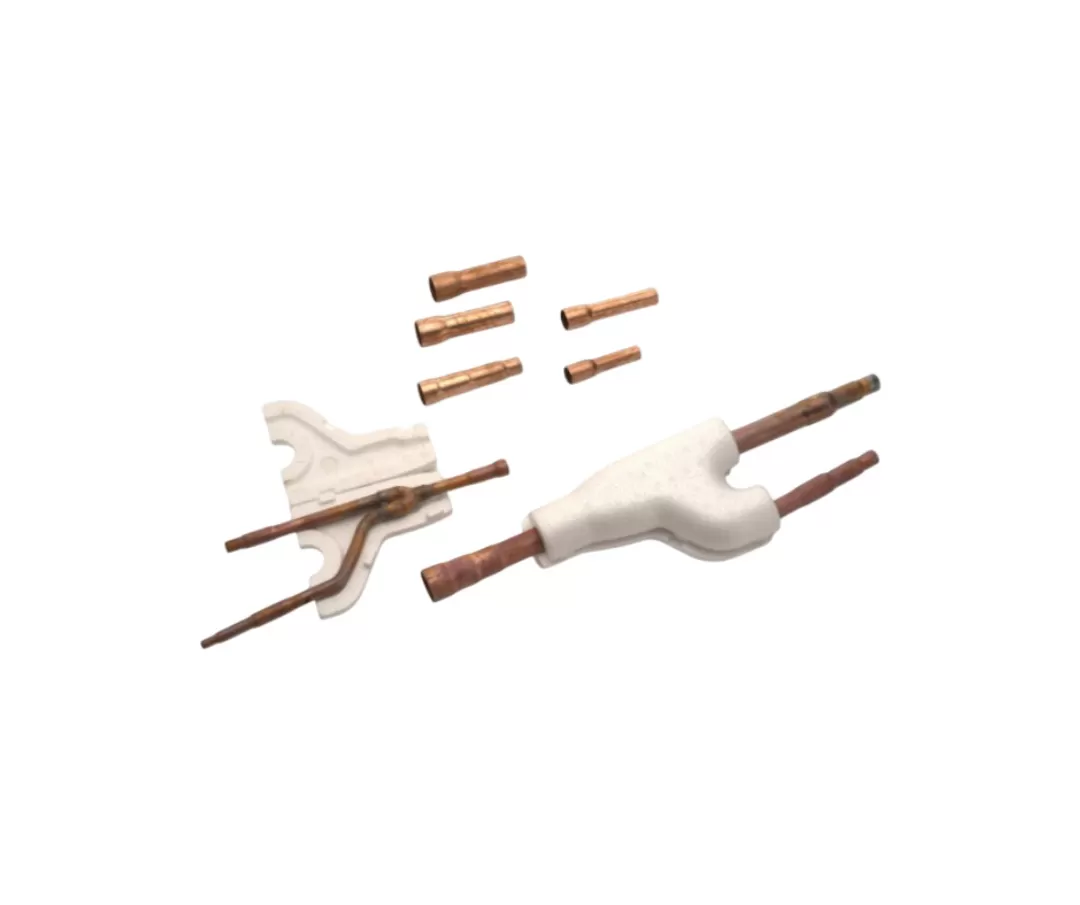
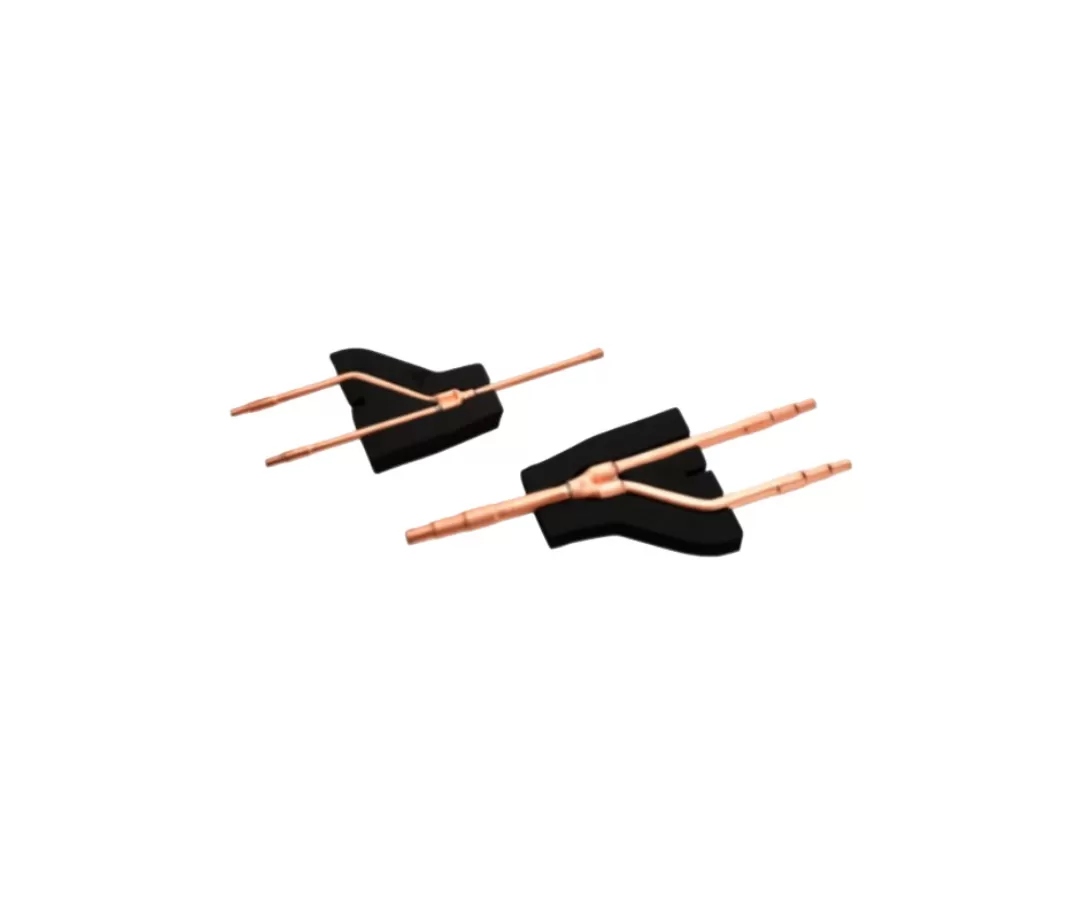
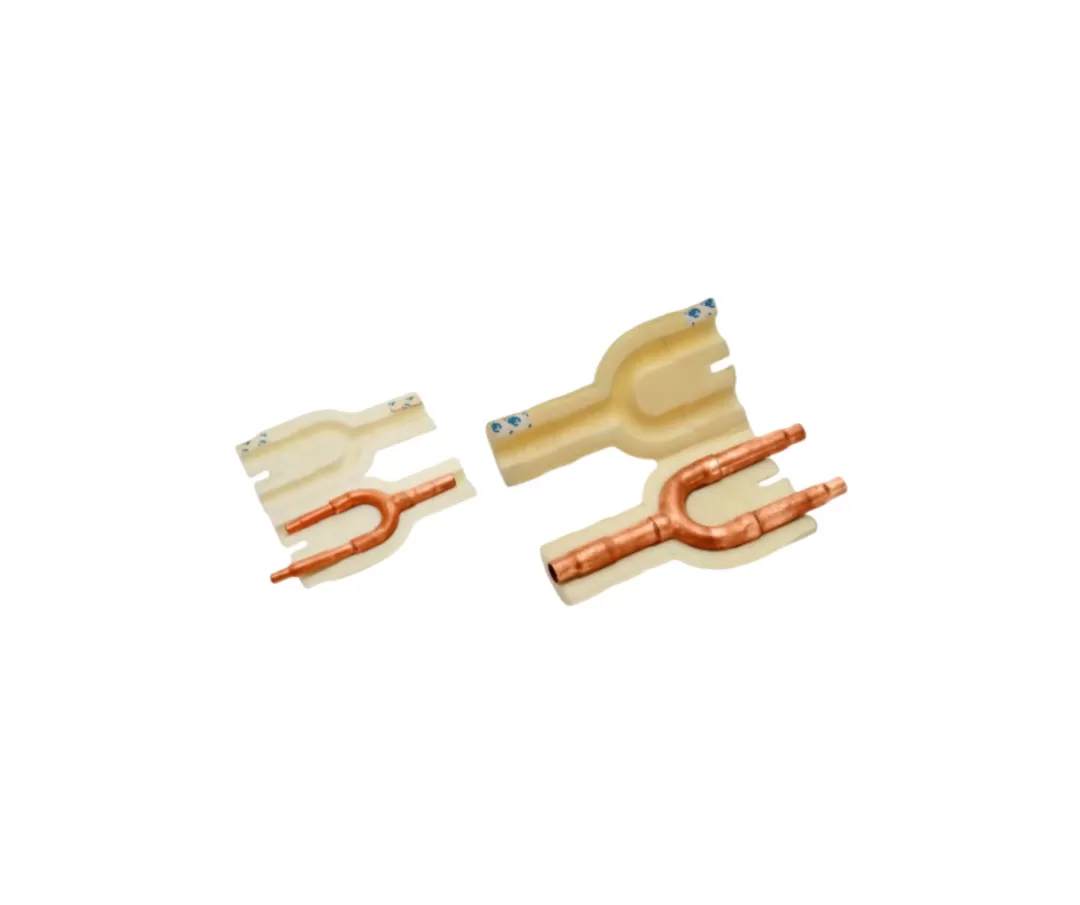
227 Enterprise Pvt. Ltd. manufactures DA Series Refrigerant Branch Piping Kits / Refnet joints – with factory installed EPS insulation, made exclusively for Japanese VRF/VRV systems. The insulation is pre-formed and pre-wrapped, with no tape required on site, so the fit is perfect and the installation time is reduced; the outcome is as a finished ceiling void should be, not looking like it was assembled in a rush. What’s underlying that immaculate finish is doing real work – enabling efficient refrigerant flow, while keeping the thermal performance of the joint, and the system around it, where it needs to be.
This material that does that work is called EPS or expanded polystyrene. You’ll find it in VRF and VRV equipment anywhere there’s a requirement for thermal insulation and physical protection at the same time – drain pans, ducting, panels, casing sections and, in this case, Refnet joints. How well it works depends on a few criteria that are not generally emphasized but are hugely important: density, thickness, temperature range, fire rating, and precisely where it is applied to the joint. Vapour sealing and condensation must also be addressed by the insulation in the vicinity of cold surfaces and drain pans, as a refrigerated joint that is thermally protected but remains damp inside does not effectively resolve the issue. Do all that right, and you have insulation that is lightweight but keeps its shape under compressive load with no deformation, resists moisture, stays dimensionally stable over time, and continues to function at the low temperatures refrigerant piping operates at — precisely the combination commercial and industrial VRF systems need from the parts no one sees after the ceiling is put back.

Product Features

Product Specification

Parameter DA Series EPS Insulation Specification
Insulation Material Expanded Polystyrene (EPS)
Application Thermal insulation for DA Series VRF / VRV refrigerant branch joints
Construction Pre-formed, rigid cellular EPS
Fitment Factory-fitted and moulded to match the branch-joint profile
EPS Density Selected according to required thermal and mechanical performance*
Insulation Thickness Optimized according to joint size and project / operating requirements*
Thermal Conductivity Grade and density dependent; verified as per approved EPS material specification*
Thermal Performance High thermal resistance with stable insulation performance
Water / Moisture Resistance Moisture-resistant closed-cell construction; EPS is recognized for inherent water resistance.
Condensation Control Helps minimize surface condensation on cold refrigerant joints when correctly fitted and vapor sealed
Vapor Sealing Close-fitting moulded sections designed to support continuous vapor sealing around the joint
Dimensional Stability Maintains its moulded shape and profile under normal service conditions; dimensional stability is an established EPS characteristic
Compressive Performance Rigid EPS structure provides compressive resistance while remaining lightweight
Operating Temperature According to selected EPS grade and approved application requirements*
Fire Performance Fire-retardant / self-extinguishing EPS grade available according to project requirements*
Installation Factory-fitted; minimizes field cutting, shaping and wrapping
Joint Coverage Precision-moulded around branch geometry for consistent insulation coverage
Installation Finish Clean, uniform and repeatable factory-finished profile
Customization Density, thickness, moulded geometry and material grade can be customized to application requirements
Typical Use Commercial and industrial VRF / VRV refrigerant piping systems

Why 227 Enterprise

227 Enterprise 227 Enterprise Pvt. Ltd. is a reliable manufacturer of excellent, bespoke VRF copper joints and DA Series Y-Joints for contemporary HVAC applications, engineered to standards of precision and quality that are not compromised from batch to batch. That’s what provides you accurate fitment, steady refrigerant flow and performance that holds up over years of operation, not months. The DA Series applies that same standard to its insulation: factory-fitted EPS that improves thermal efficiency, minimises energy loss and maintains the joint’s intended performance – which is a large reason why OEMs, HVAC contractors and commercial VRF projects worldwide continue to choose it.

Our Testimonials

clients say great things about us

Product Faqs

What is EPS insulation and why is it utilised in VRF/VRV Y Branch Joints?

EPS or expanded polystyrene is a light foam insulation used around VRF/VRV Y Branch Joints (Refnet joints) to control the heat transmission and protect the joint from moisture. Specifically, on a Y Branch Joint, it maintains the refrigerant temperature across the branch and prevents moisture being formed on the cold surface below.

What are the benefits of EPS insulation for HVAC refrigerant piping systems?

It's lightweight, yet strong, won't deform under a compressive stress, is moisture resistant, and is fire-retardant rated, all for less material cost than most other alternatives. For refrigerant pipes in particular, the combination ensures the insulation continues to work at low temperatures without deforming, cracking or absorbing the moisture it is supposed to be keeping out.

Is EPS insulation appropriate for commercial and industrial HVAC applications?

Yes. The dimensional stability under compressive load, moisture resistance and fire-retardant qualities are exactly what larger commercial and industrial VRF installations need, where joints are often boxed into tight service voids and expected to work without maintenance for years.

Can 227 Enterprise customize EPS insulation for different types of VRF Y Joint?

Yes – the insulation thickness, density and fit are all suited to the precise Y Joint model and OEM standard you are working with, and not a one-size-fits-all wrap. That’s what makes factory-fitted insulation viable in the first place; it has to be built to the joint, not changed to it on site.

How does EPS insulation compare to other insulation materials used in HVAC systems?

EPS is a rigid, closed-cell board insulation that does not compress under stress but retains its shape. Therefore it is suitable for use in drain pans, casings and panel sections as well as piping. Flexible foams such as XLPE or NBR compress. The trade-off is flexibility. You wouldn't wrap EPS over a curved joint like you would a rubber sleeve, which is why it's factory-fitted to a precise shape rather than cut and wrapped in the field.

Related Products

360° View WhatsApp Brochure